Beef Sustainability: Balancing Environmental, Social, and Economic Impacts
Sustainability is not a destination. It is a continuous journey being carried out by each generation of farmers responsible for raising and supplying beef across the world. To the beef community, sustainability comprises much more than environmental considerations. Today, a sustainable food supply balances efficient production with environmental, social and economic impacts.
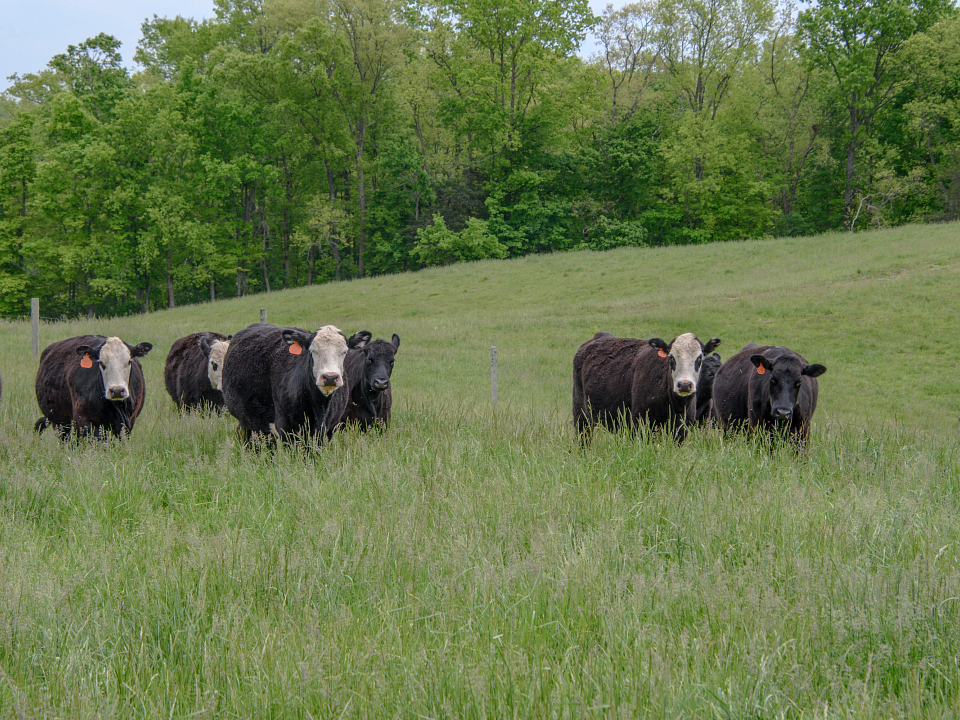
Whispering Hills Farm.
Let's take a look at how the beef industry continually focuses on a more sustainable food supply.

Cattle: The Ultimate Upcyclers infographic.
Beyond the Beef
Beyond delicious and nutritious steaks, roasts, and burgers, there are hundreds of uses for cattle by-products. Do you own a car, take a bus, or ride a bike? If so, you're utilizing by-products in the tires on your vehicle and the asphalt on the road. Event items that may seem trivial, such as dyes, inks, adhesives and plastics are made from cattle by-products.
Here are a few ways in which cattle by-products touch our lives:
- Hides from cattle are tanned into leather becoming shoes, purses and wallets.
- Cattle organs and glands are used in the production of medicine, insulation, and antifreeze, shampoos/conditioners and instrument strings.
- Photo film, vitamin capsules, charcoal and glass are all derived from bones and horns of cattle.
- Inedible beef fat provides us with airplane lubricants, hydraulic brake fluid, biodiesel and medicines.
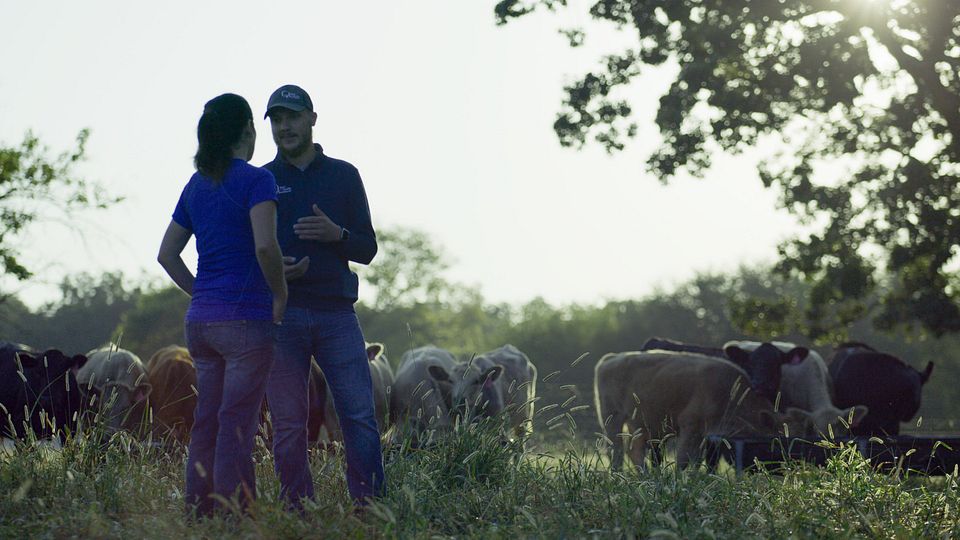
Beef Quality Assurance and Chefs
The journey to deliver high-quality and safe beef requires collaboration from pasture to plate. At each step of the process — from the beef farmers and ranchers who raise beef and abide by Beef Quality Assurance standards to the chefs and restauranteurs who prepare beef in their restaurants - there is a strong commitment to delivering high-quality beef that consumers love. That’s why Beef. It’s What’s For Dinner. in partnership with Chef’s Roll brought beef farmers and ranchers together with chefs. This video series takes chefs across the beef lifecycle to get a first-hand look at the care that goes into creating high-quality beef. But the journey for quality beef doesn’t stop at the farm.